Making Brilliance: The Unsung Heroes of Coffee Filters


In the wonderful world of coffee, the spot light often shines on the beans and preparing techniques, overshadowing a crucial component that takes on a vital part in the ideal cup: coffee filters. These unsung characters of the producing process are usually taken for given, yet they have the capacity to influence the flavor in addition to clarity of the daily brew. Together with their ability to separate the rich, perfumed liquid from the crushes, coffee filters have got a fascinating account worth exploring.
Many caffeine enthusiasts focus on selecting the best beans plus the many innovative brewing methods, but the value of coffee filtration papers really should not be ignored. They behave as a good essential barrier, making sure only the genuine essence of espresso causes it to be into your cup. In the conventional paper filters to the more modern day metal and material options, each kind brings a unique exclusive benefits for the making experience. Understanding these differences can increase your appreciation for coffee and improve your overall drinking encounter.
The Evolution associated with Coffee Filters
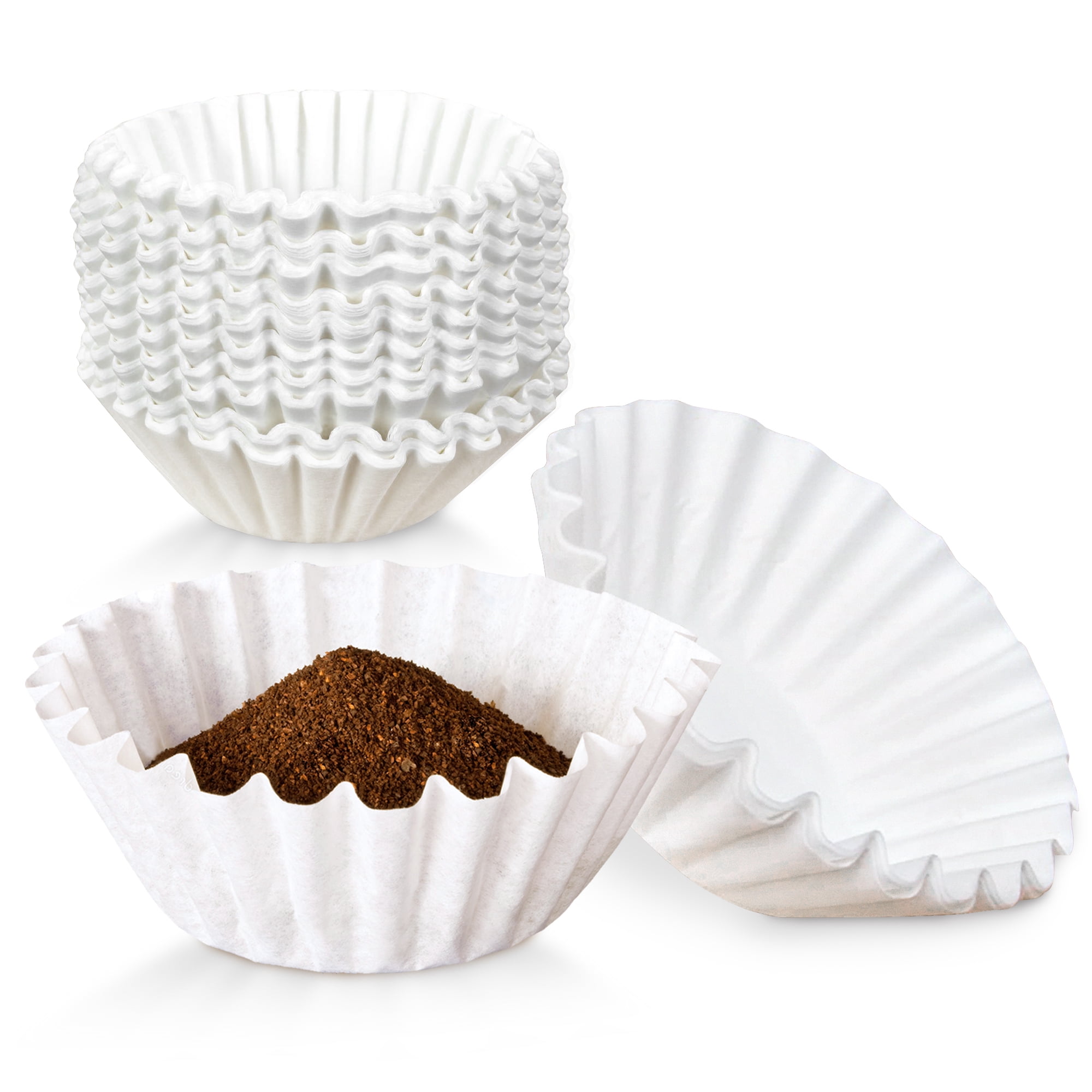
The quest of coffee filtration traces back in order to the early methods regarding brewing, where surface coffee was rich in hot water, often resulting in a gritty cup. Early coffee drinkers played around with with various components to separate the brew from the particular grounds. These preliminary methods included employing cloth, paper, plus even natural fibres, showcasing ingenuity throughout the quest with regard to a clean, tasty cup of coffee.
Within the early twentieth century, the technology of the document coffee filter designated a significant transforming point. Melitta Bentz, a German house wife, introduced the initial non reusable coffee filter in 1908, revolutionizing the brewing process. The girl design utilized blotting paper to create a practical and effective way to filter java. This innovation not merely improved the taste by eliminating sediments but also made the particular brewing process less difficult for households close to the world.
As java culture evolved, thus did the supplies and designs used regarding coffee filters . Above the years, breakthroughs in technology guided to the introduction of different types of caffeine filter papers, which include bleached and unbleached options. Additionally, typically the rise of single-serve coffee makers brought regarding new filter patterns tailored to improve convenience and taste. Today, coffee filters come in the array of shapes and forms, catering to varied brewing methods and preferences, making them essential components within every coffee lover's routine.
Forms of Caffeine Filter Papers
When it comes to coffee filter papers, there are several types to choose from, each impacting on the brewing procedure and flavor account in the coffee. One of the the majority of common types will be the paper filter, which is frequently made from bleached or unbleached pulp. Bleached filters, typically white, provide the clean taste since they do not really impart any additional flavors towards the coffee. Unbleached filters, generally brown, retain more of the organic oils within the papers, which can boost the flavor and smell of the made coffee.
Another popular option could be the metal reusable filter. While not necessarily exactly paper, these types of filters allow herbal oils and fine allergens to pass through, making richer and fuller-bodied cup. Several coffee enthusiasts favor metal filters with regard to their environmental positive aspects, as they could be washed and used again many times, getting rid of the advantages of disposable papers filters. However, they will require a bit more maintenance and can result in a stronger make that may not really attract everyone.
Lastly, right now there are specialty filtration papers designed for specific brewing methods, this sort of as cone-shaped filter systems for pour-over methods. These filters generally feature unique patterns that improve extraction by promoting actually saturation of caffeine grounds. Additionally, many brands offer filter systems infused with flavors or enhancements, just like natural oils of which can subtly effect the taste in the coffee. Each variety of filter plays a role inside a final cup, permitting coffee lovers in order to experiment and find their perfect brew.
Impact on Caffeine Flavor
The choice regarding coffee filter can easily significantly influence typically the flavor profile with the brewed coffee. Distinct materials and models trap various herbal oils and fine debris that contribute to be able to the overall flavor. For instance, paper filters are acknowledged to absorb a few of the essential oils released from the particular coffee grounds, producing in a solution and lighter pot. This could enhance typically the bright acidity in addition to subtle tasting records of certain espresso varieties, making them glow through in the final brew.
In contrast, metallic filters allow even more oils and fine sediment to pass through, ultimately causing the richer and fuller-bodied coffee. This method may amplify the degree of flavor and even create a more robust experience intended for those who try some fine bolder cup. Therefore, coffee enthusiasts frequently experiment with diverse filter types in order to achieve their wanted balance between clearness and richness within flavor.
Moreover, the density and weave regarding the filter papers can further effect the brewing procedure. Thicker filters may possibly slow down the particular extraction time, letting for a even more nuanced expression involving flavors. On the particular other hand, slimmer filters may showcase quicker extraction, which can sometimes guide to over-extraction plus bitterness. Ultimately, the relationship between coffee filtration and flavor is complex, making the collection of the appropriate filter an important element of brewing the right cup.